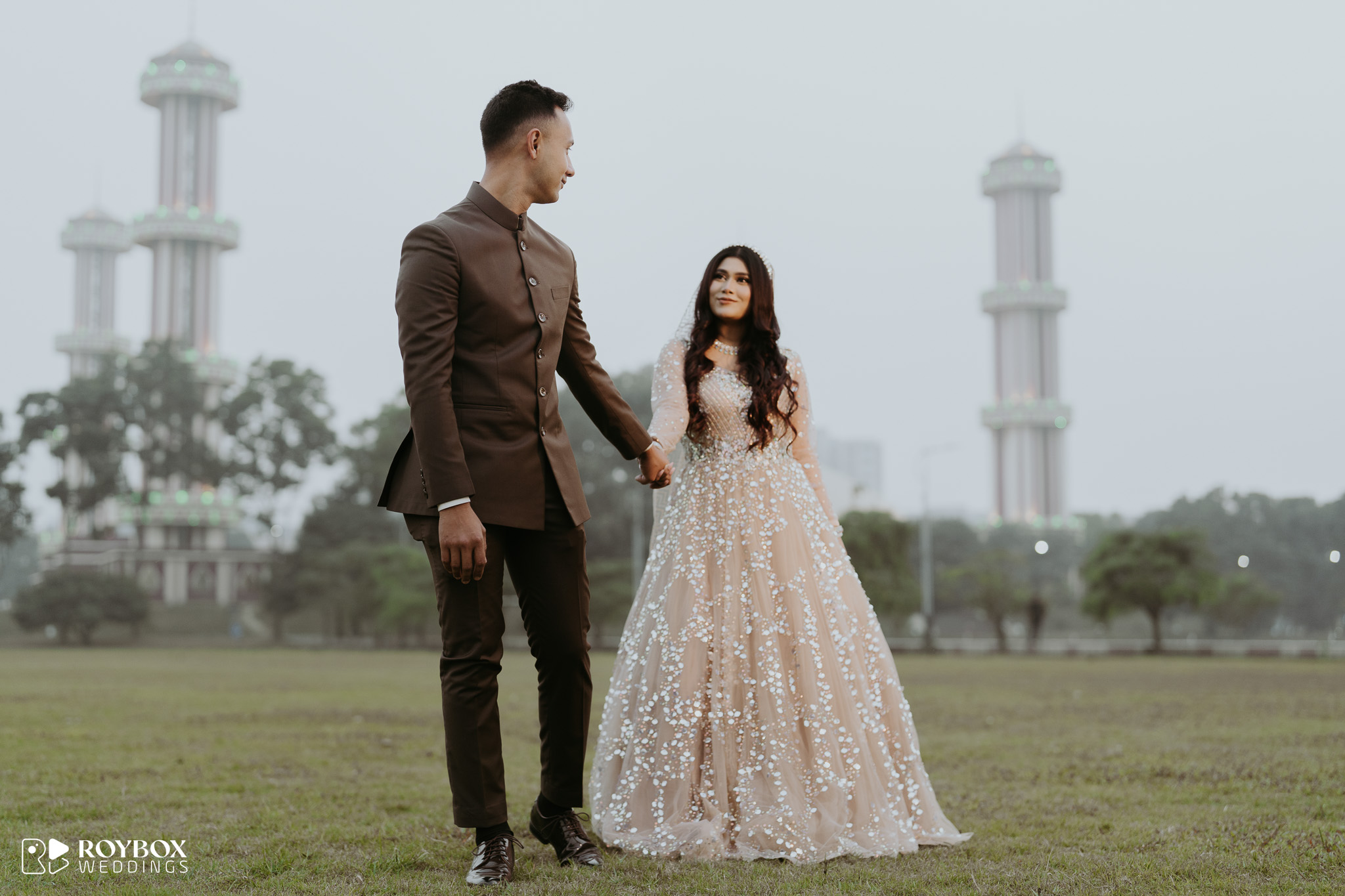
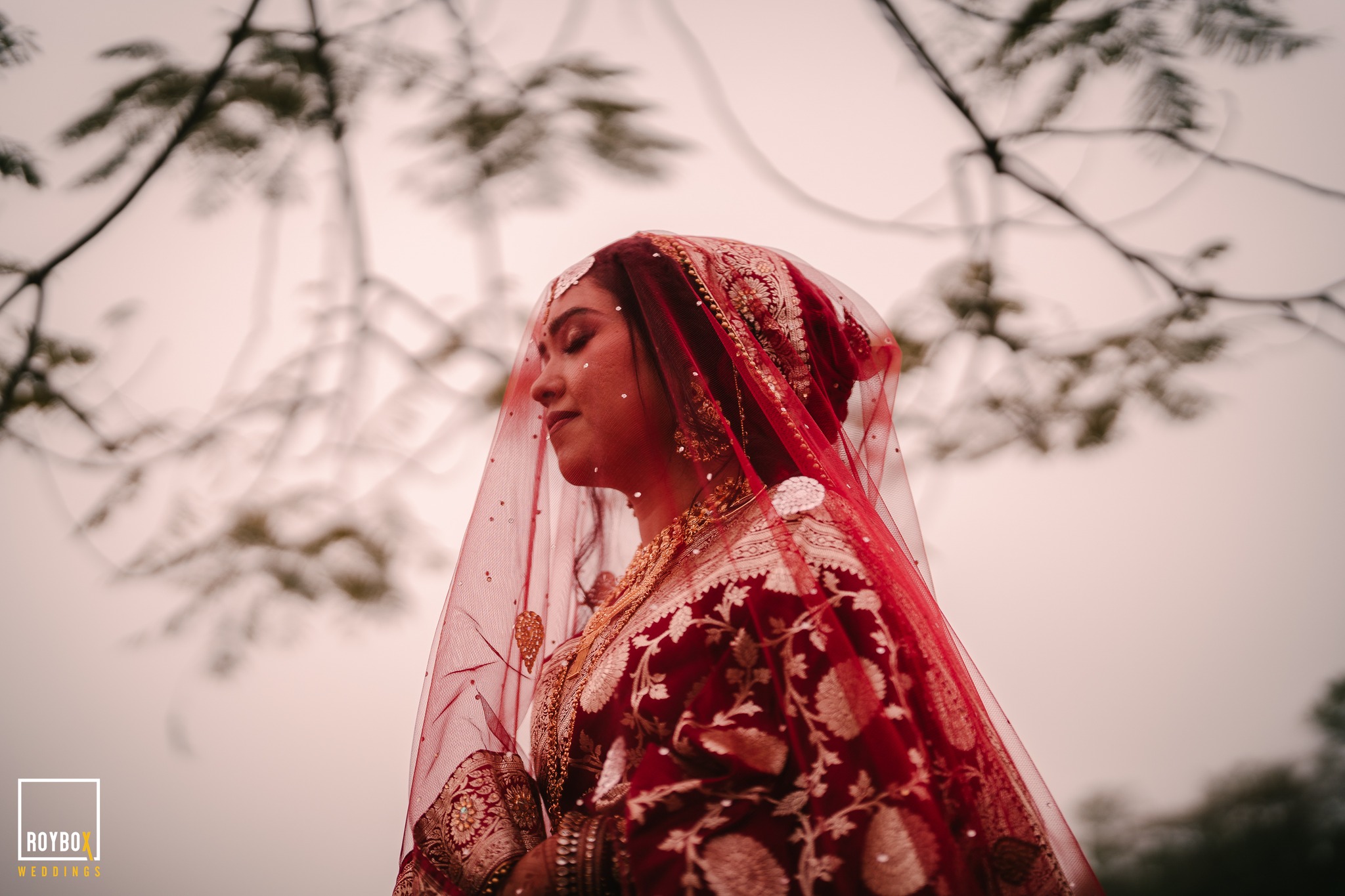
A wedding isn’t just a ceremony—it's a celebration of love, culture, family, and lifelong promises. In Bangladesh, weddings are more than one-day events. They're a grand mosaic of colorful traditions, vibrant outfits, delicious feasts, and emotional moments that stay etched in our hearts forever. From the playful chaos of the Holud night to the sacred silence of the Nikah, every detail tells a story.
Whether you're a bride-to-be, groom, parent, or just a curious reader dreaming of your big day, this blog is your go-to guide to understanding the beautiful journey of a Bangladeshi wedding. From planning tips and outfit ideas to rituals, do’s and don’ts, and pre-wedding wellness—we've got you covered.
A wedding isn't just one day. It's a story unfolding in chapters. And it all starts right here. The more time you have before your event, the more time you get for the preparation. It will be best if you have six months. But we suggest at least having a minimum of three months. It will help you to plan everything perfectly. After fixing the wedding, most prior work should be;
1. Plan your functions/ events
2. Choose a date wisely
3. Selecting the venue
4. Book a makeup artist
5. Book your photographer
6. Hire an event management company
7. Decide your theme
8. Plan your outfits (clothes, jewellery, accessories)
9. Book Hena Artist
10. Invitation & Cards
1. Determine the Number of Wedding Functions:
One of the very first steps for any couple planning their wedding is to determine how many events or functions they want to include in the overall celebration. There are plenty of functions celebrated in Bangladeshi weddings, like Bridal Shower, Dala Exchange, Mehendi, Holud, Nikah/Akhd, Wedding, and Reception. For Hindu Weddings, their events are Adhibash, Holud, Briddhi & Jolvora, Biye, Bashi Biye, Reception.
2. Finalize the Event Dates with Proper Intervals:
Once the number and type of wedding functions have been decided, the next important step is to finalize the dates for each event. It is highly recommended to schedule a one-day gap between major functions whenever possible. This approach not only allows for smoother logistical arrangements but also ensures that the bride, groom, and their families have adequate time to rest, rejuvenate, and fully enjoy each celebration.
Spacing out events with short breaks in between helps prevent fatigue, especially during a multi-day wedding, and allows room for last-minute adjustments, outfit preparations, and venue transitions. It also enhances the overall experience, making each function more memorable and less stressful for everyone involved.
Strategic date planning is essential for a seamless and enjoyable wedding journey—for both the couple and their guests.
3. Secure Your Venues Early:
During peak wedding season, securing a suitable venue can be one of the most challenging aspects of wedding planning. Once the event dates are finalized, it is strongly recommended to book your venues as early as possible. Popular venues tend to get reserved months in advance, especially for weekends and auspicious dates.
Early booking not only helps you avoid last-minute stress but also gives you a better chance of securing the venue of your choice—one that aligns with your theme, guest count, and budget. Additionally, having the venue confirmed early allows for more efficient coordination with decorators, caterers, and other vendors who may need to visit the location for planning purposes.
In short, timely venue booking is a key step in ensuring a smooth, stress-free, and well-organized wedding.
4. Book Your Makeup Artist in Advance:
Finding and securing a skilled makeup artist during peak wedding season can be particularly challenging, as top professionals are often booked months in advance. Every bride aspires to look her absolute best on her special day, making renowned makeup artists highly sought after.
To avoid last-minute stress and ensure you’re able to work with your preferred artist, it is highly advisable to make your booking as early as possible—ideally right after confirming your wedding dates. Early booking not only guarantees availability but also gives you time for trials, consultations, and clear communication about your desired look.
By finalizing your makeup artist in advance, you eliminate one of the most important last-minute tasks and ensure that your bridal makeover is in trusted hands.
5. Reserve Your Photographer Early
Your wedding photos will be one of the most cherished keepsakes from your special day, capturing emotions, traditions, and once-in-a-lifetime moments. Therefore, securing a professional and experienced photographer is essential. However, much like venues and makeup artists, top photographers are in high demand during the wedding season and tend to get booked quickly.
To ensure you get the style and quality of photography you desire—whether it’s traditional, candid, documentary, or cinematic—it’s important to book your photographer well in advance, ideally as soon as your wedding dates and venues are confirmed. Early booking allows time for pre-wedding consultations, location planning, and even engagement or pre-wedding shoots if desired.
This proactive step not only ensures availability but also gives you peace of mind knowing your memories will be captured beautifully and professionally.
6. Consider Hiring a Professional Event Management Team:
Hiring a professional event management firm is one of the smartest investments you can make in the wedding planning process. While many families attempt to handle all arrangements on their own, this often leads to increased stress, overwhelming workloads, and limited time for the bride and groom to truly enjoy the celebration.
A well-experienced event management team can streamline the entire planning and execution process—from vendor coordination and venue décor to timeline management and on-site supervision. Their expertise not only ensures that every detail is handled with precision but also allows you and your family to focus on the joy of the occasion, rather than getting caught up in logistical challenges.
By entrusting the responsibilities to professionals, you save time, conserve energy, and gain the freedom to fully immerse yourself in each function, making your wedding journey smoother, more enjoyable, and truly memorable.
7. Finalize Themes for Each Wedding Function:
Choosing a unique theme for each wedding function adds a cohesive, personalized, and visually appealing touch to your celebrations. Whether it's a traditional, modern, bohemian, royal, or fusion theme, having a well-defined concept for each event enhances the overall experience and makes your wedding stand out.
Selecting themes in advance allows for better coordination across decor, attire, invitations, lighting, entertainment, and photography, ensuring that every detail aligns with your vision. It also helps vendors and planners execute the events more effectively.
Be it a vibrant floral theme for the Holud, a rich cultural aesthetic for the Nikah or Biye, or an elegant formal tone for the Reception, a thoughtfully curated theme brings consistency, charm, and storytelling to your celebration—making each function unforgettable for you and your guests.
8. Plan Your Outfits and Accessories for Every Function:
One of the key aspects of wedding preparation is planning your complete wardrobe for each function well in advance. From outfits and jewelry to shoes and accessories, having everything organized ensures a stress-free experience and allows you to present yourself confidently and comfortably at every event.
Each wedding function—whether it’s the Mehedi, Holud, Nikah, Biye, or Reception—comes with its own mood, cultural significance, and dress code. Planning ahead allows you to coordinate your look with the theme and decor, ensuring consistency in your overall presentation and photographs.
Make sure to:
Finalize your outfits after considering colors, fit, and comfort.
Choose jewelry and accessories that complement each outfit.
Schedule fittings and trial sessions to avoid last-minute adjustments.
Organize separate sets of footwear, bags, hair accessories, and makeup essentials for each day.
By planning your wardrobe meticulously, you not only reduce last-minute stress but also ensure that you look your best throughout the celebration—graceful, elegant, and ready to make lasting memories.
9. Book a Professional Henna Artist:
Henna, or Mehedi, is a deeply symbolic and cherished part of South Asian wedding traditions, especially for the bride. Whether it’s for the dedicated Mehedi night or the wedding day itself, booking a skilled henna artist is an important part of your wedding preparations.
Professional henna artists not only create intricate and personalized designs, but also ensure the use of high-quality, skin-safe products that leave a rich, long-lasting stain. As experienced artists are in high demand during wedding season, especially for bridal appointments, it is recommended to secure your booking well in advance.
Early booking gives you time to:
Explore design options (traditional, Arabic, contemporary, or custom)
Schedule trials, if needed
Coordinate timing for the application so it aligns perfectly with your other pre-wedding activities
A beautifully done henna design enhances your bridal look and serves as a meaningful tradition, symbolizing love, prosperity, and joy as you begin this new chapter.
10. Printing and distributing the invitation cards:
One of the most time-consuming tasks in a traditional Bangladeshi wedding is the distribution of invitation cards to family and friends. This process often requires significant effort, coordination, and travel, especially when delivering cards in person—a cultural norm that reflects warmth and respect. To manage this efficiently, it's wise to have your wedding cards printed well in advance and begin distribution at least 25 days before the event. Early distribution not only ensures that guests have ample time to prepare but also allows the couple and their families to focus on other important wedding arrangements without last-minute stress.
Self Care:
Start a Skincare Routine Early
With multiple wedding functions often requiring full-face makeup and extended wear time, it’s essential to prepare your skin in advance to ensure a radiant and healthy complexion. Starting a consistent skincare routine well ahead of your wedding is one of the best steps you can take to achieve a natural glow and help your makeup sit flawlessly on the big days.
A personalized skincare regimen—tailored to your skin type and concerns—can address issues such as dryness, acne, pigmentation, or dullness. Incorporate cleansing, exfoliation, hydration, sun protection, and targeted treatments into your daily routine, and consider consulting a dermatologist or skincare professional for best results.
Beginning your skincare journey at least 3 to 6 months before the wedding allows your skin to adapt, heal, and rejuvenate. Glowing skin not only boosts your confidence but also enhances your overall bridal look—making you feel as beautiful as the day is special.
Prioritize Hair Care for a Healthy, Bridal-Ready Look
Just like your skin, your hair deserves dedicated care in the lead-up to your wedding. With multiple events, frequent styling, and the use of heat tools and hair products, it’s important to ensure your hair is strong, healthy, and manageable. Starting a personalized hair care routine well in advance will help you achieve soft, shiny, and voluminous hair—perfect for all bridal looks.
Regular oil treatments, deep conditioning, trims, and minimal heat exposure can greatly improve hair texture and prevent damage. Consider consulting a hair care professional for treatments that target your specific concerns such as dryness, frizz, thinning, or scalp issues. If you plan to color or chemically treat your hair, schedule these procedures a few weeks before the wedding to allow time for adjustment and maintenance.
Healthy hair enhances every style—from elegant buns to intricate braids and flowing curls—and contributes significantly to your overall bridal appearance. Investing time in hair care ensures your tresses look picture-perfect throughout your celebrations.
Focus on Healthy Weight Management
For both the bride and groom, maintaining a healthy weight is an essential part of wedding preparations, whether the goal is to lose or gain weight. Achieving your desired physique requires a balanced approach that combines nutrition, exercise, and realistic goal-setting, tailored to your specific needs and timeline.
If the goal is to lose weight, consider a nutritious, calorie-controlled diet along with regular physical activity, such as cardio and strength training. It's important to focus on sustainable, gradual weight loss rather than extreme diets, ensuring that you have enough energy for the busy days leading up to the wedding.
For those aiming to gain weight, a focus on nutritious, calorie-dense foods, along with strength training to build muscle mass, will help you reach your goal. Working with a nutritionist or fitness expert can provide a personalized plan that supports muscle gain and overall health.
Regardless of your goal, it’s crucial to start any weight management plan well in advance—at least 3 to 6 months before the wedding—to allow enough time for healthy and sustainable changes. This thoughtful approach ensures that both the bride and groom feel confident, comfortable, and at their best on their wedding day.
· What to keep in a bride’s purse:
1. Safety pin
2. Bobby pin
3. Money
4. Medicine
5. Lipstick
6. Facial tissue
7. Face powder with puff
8. Wet tissue
9. Band - Aid
10. Q-tips or cotton buds
· What should a bride do during all the wedding events:
1. Take proper rest.
2. Stay hydrated
3. Don’t take too much stress
4. Sleep well
5. Take proper amount of food
6. Try to maintain time for everything (parlour, shoot etc)
· What should a groom do during all the wedding events
1: Determine the Number of Wedding Functions
The first thing you and your partner should do is decide how many events you want to celebrate. In Bangladeshi weddings, there are many options like Bridal Shower, Dala Exchange, Mehedi, Holud, Nikah or Biye, and Reception. For Hindu weddings, events may include Adhibash, Briddhi, Holud, Biye, Bashi Biye, and Reception. Planning how many events you want will help you manage your time, budget, and energy better.
Step 2: Finalize the Event Dates with Proper Intervals
Once the events are decided, it's time to set the dates. Try to keep a gap of at least one day between big functions. This break gives you and your families time to rest, prepare, and enjoy each event fully. It also helps in avoiding exhaustion, especially for the bride and groom who need to be fresh and energetic for every celebration.
Step 3: Secure Your Venues Early
Booking the venue is one of the most important tasks and should be done as early as possible. During the wedding season, good venues get booked quickly. Once your dates are fixed, don’t wait—book your preferred venues right away to avoid disappointment and last-minute stress.
Step 4: Book Your Makeup Artist in Advance
Every bride wants to look her best on her wedding day. Makeup artists are in high demand during the wedding season, so it’s smart to book your preferred artist early. This ensures you get the look you want and reduces last-minute worries. Booking in advance may also give you time for a trial session to finalize your look.
Step 5: Reserve Your Photographer Early
Photos and videos are how you’ll relive your special day for years to come. A good photographer can capture every emotion and detail beautifully. Since the best photographers get booked months in advance, it's a good idea to choose and confirm yours as early as possible so you don’t miss out.
Step 6: Consider Hiring a Professional Event Management Team
If you want to enjoy your wedding without too much stress, hiring a wedding planner or event management team can be a great decision. They handle everything—from decorations and schedules to coordination—so you can focus on the fun. It saves you time, energy, and lets your family enjoy the celebrations too.
Step 7: Finalize Themes for Each Wedding Function
Giving each event a unique theme makes your wedding more memorable and visually appealing. Whether you choose a floral, traditional, modern, or pastel theme, having a clear vision will help you coordinate outfits, decorations, and photography. It also brings everything together in a more organized and stylish way.
Step 8: Plan Your Outfits and Accessories for Every Function
With multiple events, it's important to plan what you’ll wear for each one. Start early by selecting your clothes, jewelry, shoes, and other accessories. Make sure everything is ready ahead of time, including fittings. This helps you avoid last-minute panic and ensures you look and feel your best at every event.
Step 9: Book a Professional Henna Artist
Mehedi is a beautiful and meaningful part of South Asian weddings. Booking a skilled henna artist ensures your designs are neat, intricate, and long-lasting. Since the best artists are often fully booked during the wedding season, it's best to confirm your appointment early so you can choose your design and timing comfortably.
Step 10: Print and Distribute Your Invitation Cards
Once your dates and venues are confirmed, it's time to design and print your wedding invitations. Choose a style that matches your theme and start distributing the cards early so your guests have enough time to plan and attend. You can also consider digital invitations for convenience and quicker delivery.